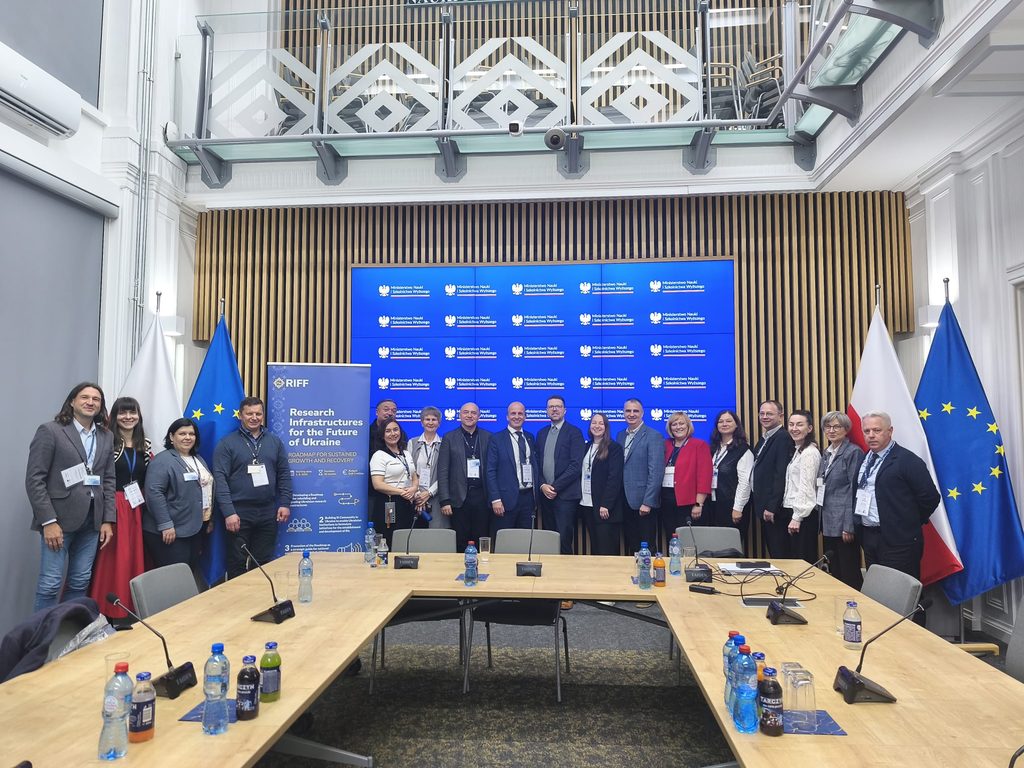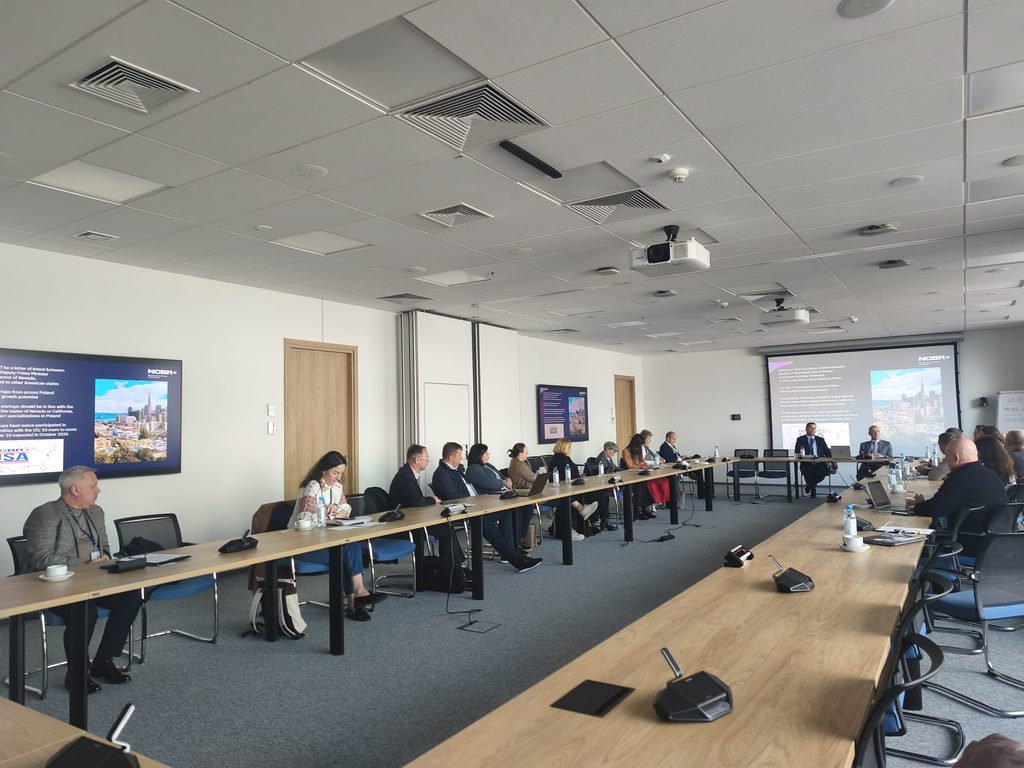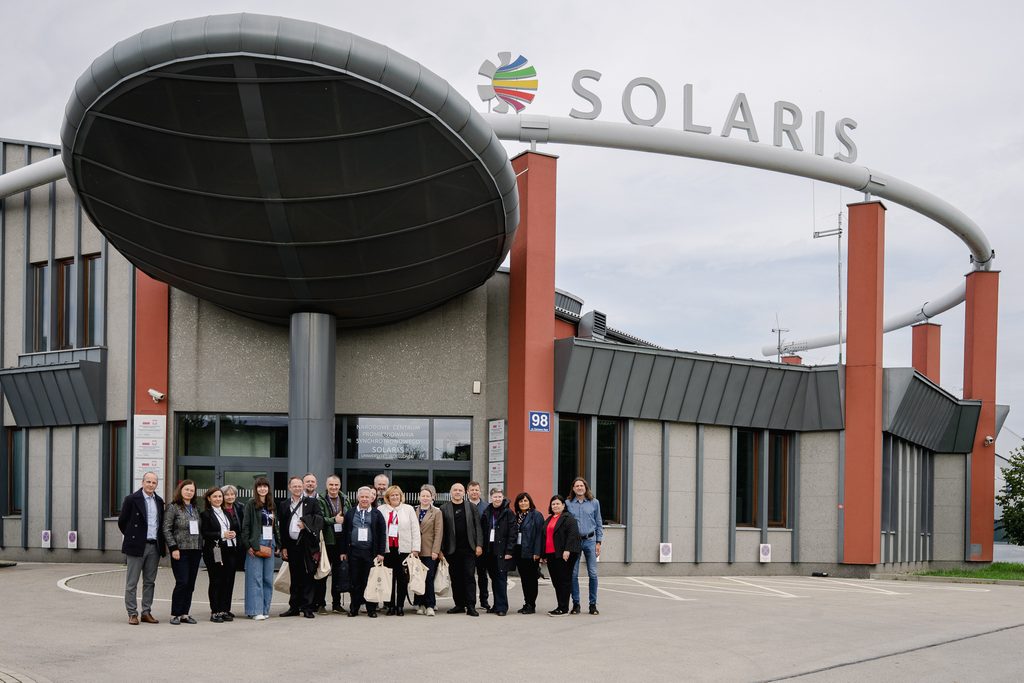
For five days, Warsaw and Kraków became hubs for an intensive exchange of knowledge and experience focused on the future of Ukrainian science. Nineteen senior representatives of Ukrainian universities, research infrastructures and regional authorities came to Poland to gain first-hand insight into the Polish and European research infrastructure ecosystem, learn how research infrastructures are funded and developed, and explore ways of integrating them into the European Research Area. The study visit, organised as part of the RIFF project, was hosted by the SOLARIS National Synchrotron Radiation Centre.
From 21 to 25 September, representatives of 16 Ukrainian organisations visited nine Polish institutions, including the Ministry of Science and Higher Education, the National Centre for Research and Development, the Foundation for Polish Science, Jagiellonian University, the Małopolska Centre of Biotechnology, the Marshal’s Office of the Małopolska Region and the Jagiellonian Centre of Innovation. The delegation included representatives of universities, institutes of the National Academy of Sciences of Ukraine, research funding organisations, regional authorities and the Ukrainian scientific diaspora. Among them were vice-rectors, directors of research institutes and units, representatives of funding agencies, as well as professionals responsible for international projects and technology transfer.
The visit had a strong practical focus. Ukraine faces the challenge not only of rebuilding its research infrastructure, but also of developing a sustainable model for how it should operate in the future. The participants therefore explored the Polish research infrastructure ecosystem as a whole – from national research policy and mechanisms for financing research and investment to the management of individual laboratories and large-scale research facilities. The experience gained during the visit will contribute to RIFF – Research Infrastructures for the Future of Ukraine – one of whose main outcomes will be a roadmap for Ukrainian research infrastructures.
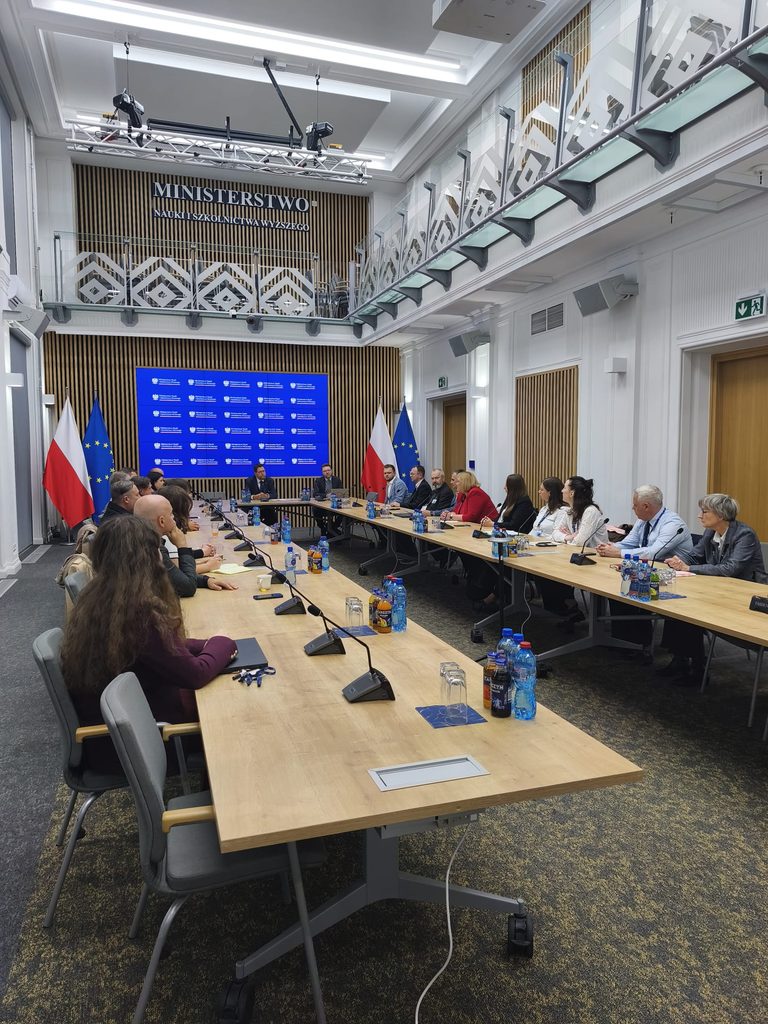
The first stop was Warsaw. At the Ministry of Science and Higher Education, discussions focused on the Polish Roadmap for Research Infrastructures and Poland’s experience in combining national and European funding sources. The following day brought meetings with institutions that play a key role in supporting research and innovation. The Foundation for Polish Science presented its experience in funding research excellence and developing scientific talent, while the National Centre for Research and Development discussed mechanisms for supporting applied research and development. Discussions with the Polish National Contact Point for EU Research Programmes focused on the opportunities that Horizon Europe offers research infrastructures, as well as preparations for the next, 10th EU Framework Programme.
After two days in Warsaw, the delegation moved to Kraków, where the focus shifted from the national perspective to the role of universities, regions and individual research centres. At Jagiellonian University, participants learned about the University’s research policy and its experience in international cooperation. At the Marshal’s Office of the Małopolska Region, they explored how regional authorities contribute to innovation and how European funds, investor support and local initiatives can strengthen research and innovation capacity.
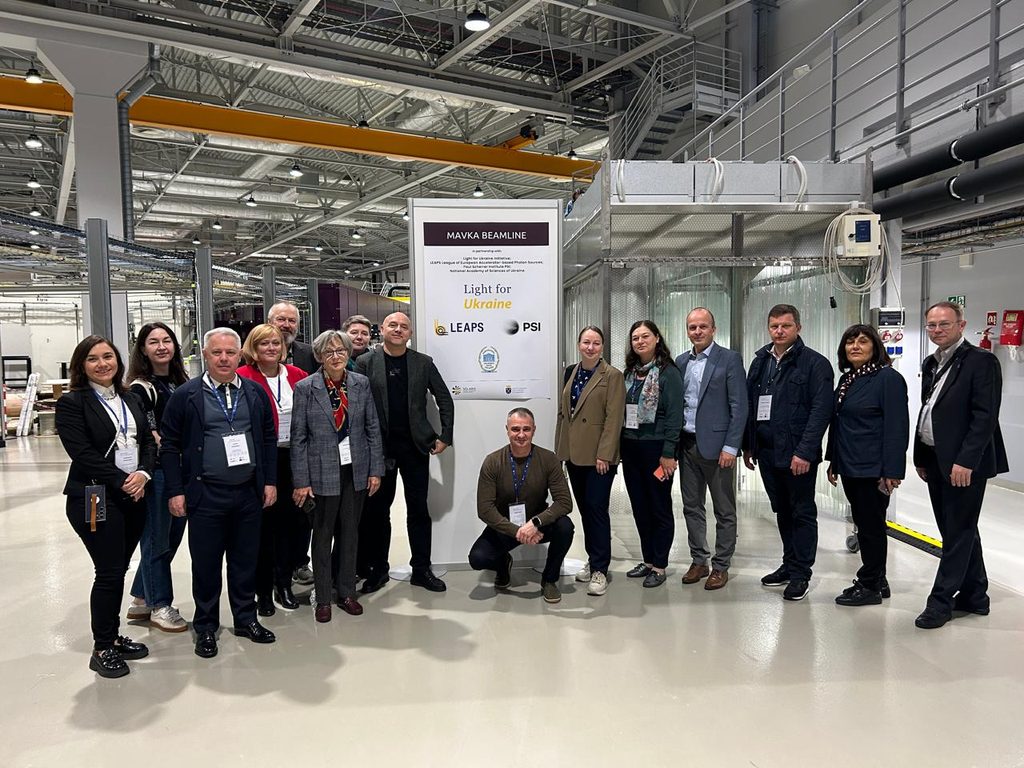
One of the highlights of the Kraków programme was the visit to SOLARIS. The Ukrainian guests toured the synchrotron and its beamlines, gaining first-hand insight into how a large-scale, open research infrastructure serving scientists from many countries operates. Discussions addressed the role of such facilities within the European research and innovation ecosystem, as well as cooperation with Ukraine, including the initiative related to the MAVKA beamline.
The programme also included visits to the Jagiellonian Centre of Innovation and the Małopolska Centre of Biotechnology. The former demonstrated how a science park and technology transfer activities can help bridge the gap between research and business. At MCB, participants learned about a research centre model based on shared access to specialised equipment, laboratories and core facilities for researchers from different teams.
Five days of discussions demonstrated that research infrastructure is about much more than state-of-the-art buildings and sophisticated equipment. Behind every successful research centre lies an entire ecosystem: a long-term strategy, stable funding, highly skilled staff, cooperation with regional authorities and industry, and openness to users from different countries. This includes supporting researchers from Widening countries and countries that do not have comparable research infrastructures of their own. The Polish experience also highlighted the importance of linking infrastructure development plans to clearly identified funding sources and of preparing institutions well in advance to participate effectively in European programmes.